St Robert Bellarmine Catholic Primary School
Online Safety
At St Robert Bellarmine Catholic Primary School, keeping children safe online is an important part of our safeguarding work.
Technology offers children many exciting opportunities to learn, communicate and be creative. We teach pupils how to enjoy these opportunities safely, responsibly and respectfully, both in school and at home.
Staying Safe Online
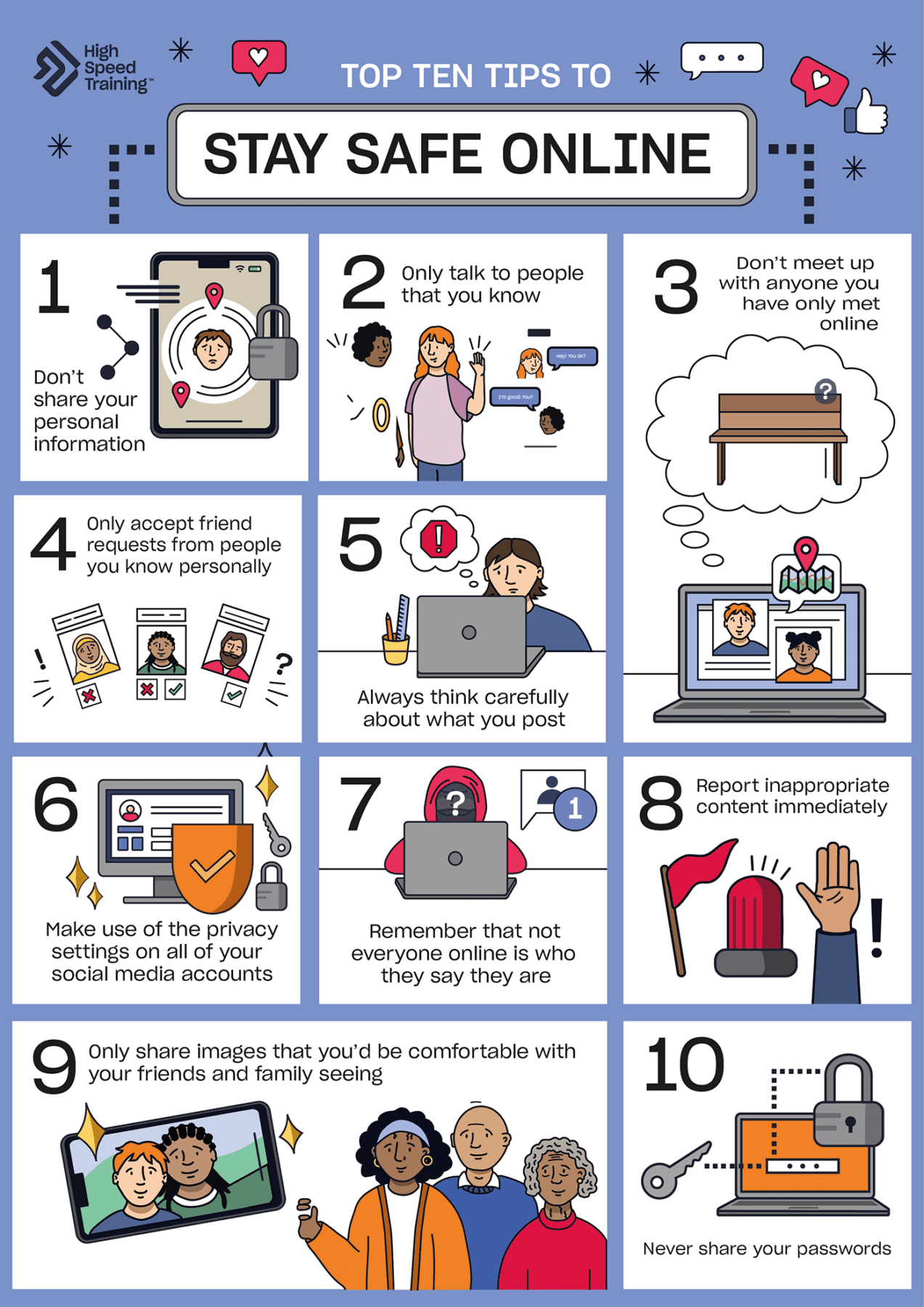
Our children learn how to:
-
protect their personal information and passwords
-
communicate kindly and respectfully online
-
recognise content or behaviour that may be unsafe or upsetting
-
understand that not everything they see online is accurate or trustworthy
-
make sensible choices when using games, apps and social media
-
know when to stop, block, report and tell a trusted adult
-
ask for help whenever something online makes them worried or uncomfortable
Online safety is taught throughout our curriculum and is supported by appropriate filtering, monitoring, policies and safeguarding procedures.
Supporting Your Child at Home
Parents and carers play a vital role in helping children develop safe and healthy online habits.
Regular, open conversations are one of the best ways to support your child. Talk to them about the games, websites and apps they enjoy, who they communicate with online and what they should do if something makes them feel worried or uncomfortable.
It is also important to:
-
use appropriate parental controls and privacy settings
-
check the age requirements for games, apps and social media platforms
-
encourage children to keep passwords and personal information private
-
agree clear family expectations for devices and screen time
-
remind children that they can always come to a trusted adult for help
If Something Goes Wrong Online
If you see or experience something online that worries or upsets you:
TELL a trusted adult straight away.
This could be a parent or carer, class teacher, teaching assistant, Headteacher or another adult you trust.
Do not reply to unkind or upsetting messages. Save the evidence where possible and show it to an adult.
BLOCK the person or account, with the help of an adult.
REPORT inappropriate content or behaviour using the reporting tools provided by the website, game or app.
Remember: you should always tell an adult if something online is worrying you, even if you are embarrassed or think you may have made a mistake.
Reporting a Serious Online Concern
Children and parents can use CEOP to report concerns about online sexual abuse or inappropriate online contact.
Children can also contact Childline free on 0800 1111 for confidential help and support.
Social Media and Online Accounts
Privacy settings, age restrictions and parental controls can all help children stay safer online. However, they work best alongside regular conversations between children and trusted adults.
Parents and carers should be aware that many popular social media platforms have minimum age requirements. We encourage families to check these requirements and regularly review their child's privacy and safety settings.
Safer Internet Day
Each year, we take part in Safer Internet Day, giving children opportunities to explore how technology can be used safely, responsibly and positively.
Photographs and Videos at School Events
To help safeguard our children and staff, photographs or videos taken by parents and carers at school events, including assemblies, Masses, performances and sporting events, are for personal use only.
They must not be shared on social media.